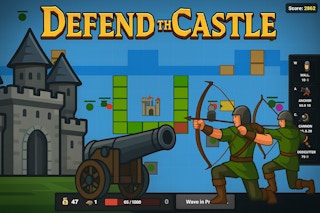
A simple goal is easy to understand
Simple games often communicate their objective immediately. When players know what they are trying to achieve, they can focus on improving rather than figuring out what the game expects.
Fast feedback encourages another attempt
A quick response after an action makes learning feel immediate. Success is rewarding, while failure provides information that can be used during the next attempt.
Small improvements feel meaningful
A player does not always need a huge progression system. Beating a previous score, reaching a little farther, or solving a puzzle faster can be enough to create a reason to try again.
Difficulty creates tension
A well-balanced challenge keeps the outcome uncertain without making success feel impossible. When a player can see a path to improvement, failure can become part of the appeal.
Repetition works when there is variety
Repeating the same action becomes boring when nothing changes. Small variations, new patterns, different obstacles, or changing goals can keep a familiar mechanic interesting.
Simple does not mean shallow
A small ruleset can still create depth. Games with only a few actions can offer surprising strategic choices when those actions interact in interesting ways.