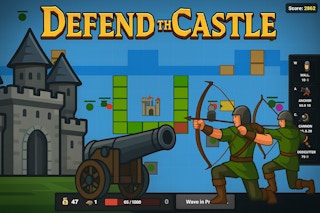
The Flash era
Flash played a major role in popularizing browser games. It made it possible for developers to create interactive experiences that were easy for users to discover through websites and portals.
Why the web moved on
The browser ecosystem gradually moved toward open web technologies. As browsers changed and plugin support declined, developers needed ways to create interactive content without relying on older plugin-based systems.
The rise of HTML5
HTML5 and related web APIs gave developers new ways to build interactive experiences directly in the browser. Canvas, audio, modern JavaScript, and improved browser capabilities opened the door to a broader range of games.
Better support across devices
Modern web games can be designed for different screen sizes and input methods. Responsive layouts and touch support helped browser gaming move beyond the traditional desktop experience.
Graphics became more capable
Web graphics technology continued to improve, allowing developers to create more detailed and responsive experiences while retaining the convenience of browser access.
The browser is now a gaming platform
The biggest change is not one specific technology. It is the idea that a browser can serve as a flexible gaming platform across phones, tablets, laptops, and desktops without requiring the same plugin model that defined an earlier era.