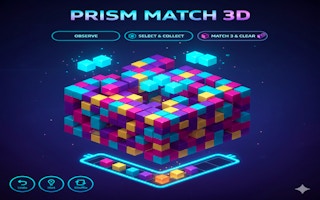
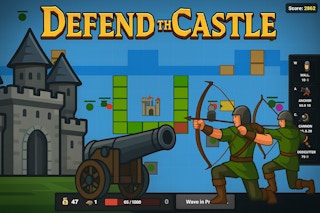
Look for a clear core mechanic
Short-session games usually work best when their main idea is easy to understand. A puzzle, racing challenge, arcade level, or quick strategy decision can be enough to make a session enjoyable without requiring a long tutorial.
Check the expected session length
A game can be excellent and still be a poor choice for a ten-minute break. Look for experiences built around short rounds, individual levels, or natural stopping points so you are not forced into a longer session.
Prefer simple controls
Complicated controls take time to learn. Keyboard games with a few obvious keys or touch games with clear gestures are often easier to pick up when you only have a few minutes.
Choose games with quick loading
Loading time matters more when the available play time is short. Browser games that move quickly from the game page into actual gameplay make better use of a limited break.
Build a small personal shortlist
Once you find a few games that consistently fit your schedule, save them mentally or through your browser. A small shortlist removes the need to search from scratch every time you have a short break.
Leave room for another session
A good short-session game should make it easy to stop. Games with clear rounds or levels let you finish a small objective and return later without feeling that you abandoned something important.